
Assessment of the Health Sector: Impacts of Artificial Intelligence on Market Strategies
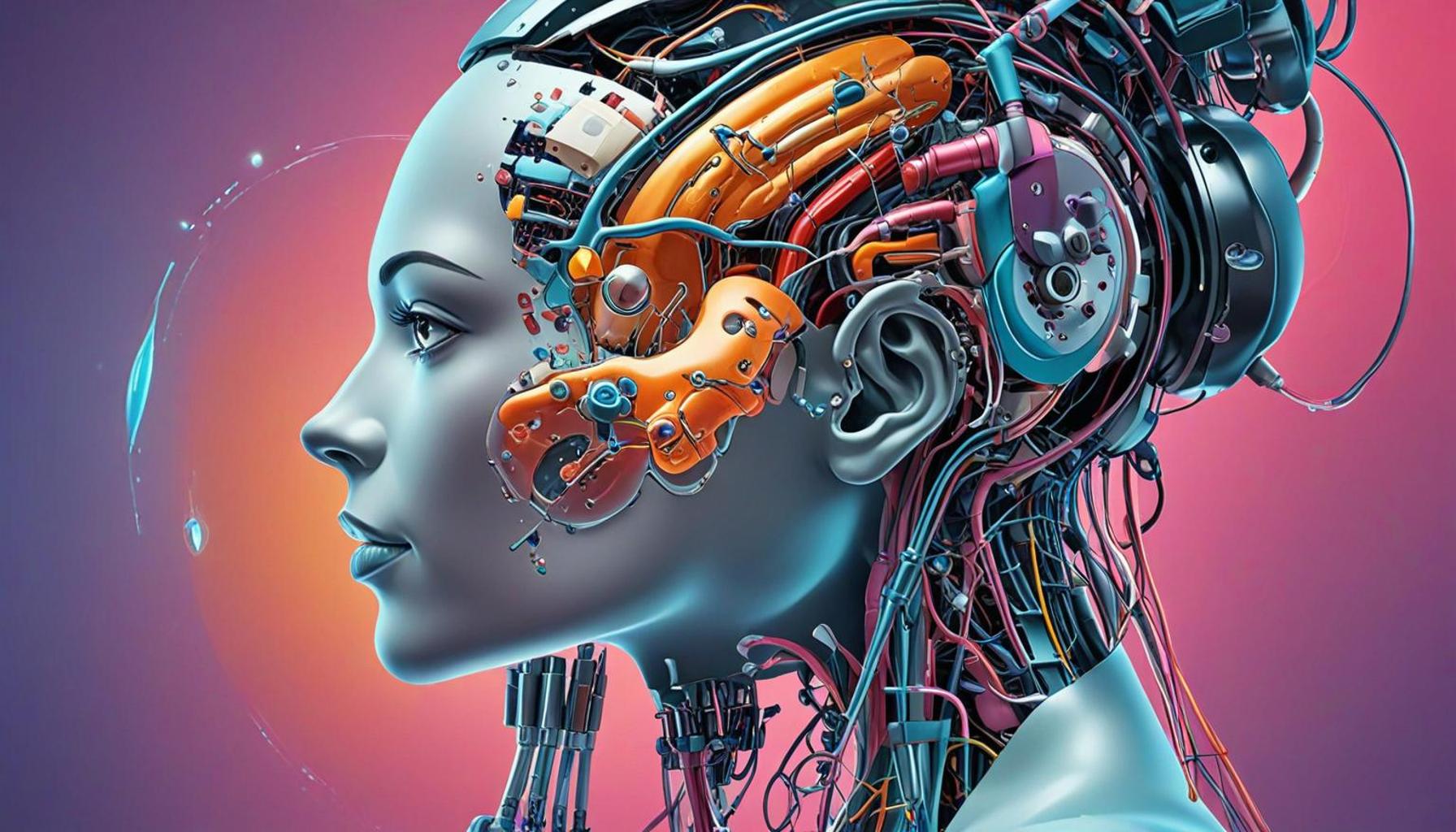
The Transformative Role of AI in Healthcare
Artificial Intelligence (AI) is not just a buzzword; it is a driving force reshaping the healthcare landscape. This technology has the potential to enhance various aspects of healthcare delivery, from diagnosis to treatment and administrative processes. Organizations that adapt to these changes can improve their services and outcomes, leading to a comprehensive transformation within the sector.
Benefits of AI in Healthcare
The integration of AI into healthcare offers numerous advantages that improve patient care and operational practices. Below are some key benefits:
- Improved patient outcomes: AI can leverage large datasets, including electronic health records, genetic information, and clinical studies, to predict individual patient health risks. For instance, machine learning algorithms can analyze patterns in a patient’s history to determine the likelihood of developing conditions like diabetes or heart disease. This allows for personalized treatment plans that are tailored to each patient’s unique circumstances, enhancing their chances of recovery.
- Operational efficiency: By automating mundane and repetitive tasks such as appointment scheduling, billing, and data entry, AI frees healthcare professionals to concentrate on what they do best: care for patients. For example, AI tools like robotic process automation can streamline administrative functions, significantly reducing wait times for patients and improving overall satisfaction.
- Cost management: AI contributes to better cost management by reducing unnecessary tests and procedures, which often inflate healthcare costs. For example, AI can analyze patient data to determine when imaging tests, like MRIs or CT scans, are truly needed, ensuring that resources are allocated effectively. This results in significant savings both for healthcare facilities and patients.
Impact on Market Strategies
AI is not only transforming individual healthcare providers; it is also altering the competitive landscape of the healthcare market. Here’s how:
- Enhancing decision-making: The use of predictive analytics aids healthcare organizations in making informed decisions regarding resource allocation. For instance, hospitals can forecast patient admission rates based on historical data, allowing them to optimize staffing and inventory use during peak periods.
- Fostering innovation: AI drives the creation of groundbreaking technologies and treatments. From drug discovery to advanced imaging techniques, AI-powered systems can analyze millions of compounds to identify potential new medications much faster than traditional methods, thereby giving companies a competitive edge.
- Shaping consumer engagement: The rise of chatbots and virtual assistants allows for 24/7 patient interactions, improving satisfaction rates. By providing immediate responses to common inquiries, these tools help patients navigate their care more efficiently, thus enhancing their overall experience.
As we continue to witness the profound implications of AI in the healthcare sector, it becomes increasingly clear that understanding these impacts is essential for all stakeholders. Whether you are a healthcare provider, a policymaker, or a patient, remaining informed about these developments will better equip you to navigate the evolving landscape of healthcare.
DISCOVER MORE: Click here to unlock the step-by-step guide
Transforming Healthcare Delivery and Operations
As analysis of the healthcare sector unfolds, the profound impacts of Artificial Intelligence (AI) are becoming increasingly evident. The infusion of AI technologies is not just improving patient care; it is also redefining how healthcare organizations strategize and operate. Understanding these shifts is crucial for stakeholders aiming to keep pace with advancements while enhancing their service offerings.
Revolutionizing Patient Diagnostics
One of the most notable areas where AI is making strides is in diagnostics. Traditional diagnostic methods can often be time-consuming and may rely heavily on human intuition. However, AI tools, particularly those powered by deep learning, can analyze medical images—such as X-rays and MRIs—faster and with remarkable accuracy. For example, a recent study highlighted that an AI algorithm was able to detect certain types of cancers earlier than radiologists, thus facilitating timely interventions that can save lives.
Beyond imaging, AI is also improving diagnostic accuracy through symptom checkers and predictive modeling. These tools analyze a patient’s reported symptoms against vast datasets to provide healthcare professionals with potential diagnoses, allowing for more informed and quicker medical decisions.
Streamlining Operations with AI
AI’s impact extends beyond diagnostics into the core operations of healthcare facilities, making these processes smoother and more efficient. Below are key areas of operational enhancement attributable to AI:
- Resource Allocation: AI systems can forecast patient admissions based on historical and real-time data, allowing hospitals to optimize their resources effectively. For example, hospitals can schedule staff according to predicted patient volumes, thereby avoiding both overstaffing and understaffing during peak and non-peak times.
- Supply Chain Management: Inventory levels can be monitored more effectively with AI-led analytics, ensuring that essential supplies are available when needed. By predicting usage trends, healthcare facilities can avoid shortages and manage costs better.
- Telemedicine Integration: Incorporating AI into telehealth services enhances remote patient interactions. AI-based platforms can facilitate symptom monitoring and virtual check-ups, allowing healthcare providers to expand patient access to care. This is particularly beneficial for rural areas where medical facilities may be limited.
As organizations embrace AI, operational costs can decrease while maintaining or improving service quality. This transformational approach can lead to more sustainable healthcare models that enhance patient satisfaction—an essential factor in today’s competitive healthcare landscape.
In conclusion, the introduction of AI into diagnostics and operational strategies marks a significant shift for the healthcare sector. Understanding these changes equips stakeholders with the knowledge needed to navigate new technologies, ensuring that they can capitalize on AI’s potential to redefine healthcare delivery.
LEARN MORE: Click here to find out how to apply
Enhancing Market Strategies through AI
Artificial Intelligence is not only enhancing healthcare delivery and operations but also reshaping market strategies across the health sector. As organizations leverage AI technologies, they are better positioned to understand market dynamics, engage with patients, and tailor services to meet the needs of their evolving customer base.
Personalized Patient Engagement
AI’s capability to analyze vast amounts of data enables healthcare providers to implement personalized patient engagement strategies. By utilizing machine learning algorithms, organizations can segment their patient population based on demographics, health behaviors, and preferences. For instance, AI tools can analyze data from wearable devices and mobile health applications to create customized health plans or reminders tailored to individual patients, promoting better adherence to treatment protocols.
Moreover, AI-driven chatbots are becoming integral to patient communication. These virtual assistants can answer questions, provide medication reminders, and even assist with appointment scheduling on a 24/7 basis. This not only improves patient satisfaction but also alleviates administrative burdens on healthcare staff, allowing them to focus on more complex tasks that require human intervention.
Data-Driven Decision Making
Another significant advantage of AI in shaping market strategies is the ability to enable data-driven decision making. Predictive analytics powered by AI can forecast trends within the healthcare market, helping organizations identify emerging health issues or shifts in patient preferences. For example, if data shows a rising incidence of diabetes due to lifestyle factors in a specific region, healthcare organizations can use this information to promote preventative care services and educational programs aimed at that demographic.
AI technologies can also evaluate the effectiveness of marketing campaigns. By analyzing patient responses to various outreach efforts, such as email blasts or social media advertisements, healthcare marketers can refine their strategies, ensuring that resources are allocated towards the most successful initiatives. This iterative approach maximizes return on investment while fostering stronger relationships with patients.
Improving Competitive Advantage
With the rapid advancement of AI capabilities, organizations that embrace these technologies gain a distinct competitive advantage. The integration of AI into market strategies enables healthcare providers to offer new services that differentiate them from competitors. For instance, hospitals and clinics using AI-enhanced predictive analytics can streamline their operations, attract patients seeking efficient services, and build a reputation for cutting-edge care.
Additionally, partnerships between AI technology companies and healthcare organizations can lead to innovative solutions. Collaborations can result in the development of new applications that enhance patient experience—such as AI-driven platforms that aggregate health data to provide comprehensive patient profiles, allowing providers to make quicker and more informed decisions. This adaptability not only fortifies market positioning but also ensures that organizations stay responsive to the continuously evolving needs of the healthcare landscape.
The infusion of AI into market strategies represents a paradigm shift within the health sector, empowering organizations to optimize their offerings and better cater to patient needs. In a landscape characterized by rapid change, embracing AI provides a pathway to longevity and success.
DISCOVER MORE: Click here for details on how to apply
Conclusion
In conclusion, the integration of Artificial Intelligence into the health sector is not merely a trend; it signifies a profound transformation in how healthcare organizations operate and compete in the market. As highlighted throughout the article, AI enhances personal engagement with patients, empowers data-driven decision-making, and provides a significant competitive advantage for organizations willing to adapt.
The ability to personalize patient interactions through AI opens new avenues for building trust and loyalty. As healthcare providers utilize AI to tailor treatment plans and communication strategies, they can significantly improve patient outcomes and satisfaction. This tailored approach fosters deeper connections that are essential for long-term engagement.
Moreover, AI’s capacity for predictive analytics equips healthcare organizations with the insights needed to anticipate market shifts and adapt accordingly. By monitoring health trends and patient behaviors, providers can proactively address emerging health issues and align their offerings with patient needs. This agility not only enhances service delivery but also boosts the effectiveness of marketing efforts, ensuring resources are allocated to strategies that resonate with patients.
Ultimately, the adoption of AI positioned within market strategies is integral to navigating the complexities of the healthcare landscape. As organizations form partnerships with tech innovators, they pave the way for groundbreaking solutions that are critical in an ever-evolving environment. By embracing these advancements, healthcare entities can secure a sustainable future, driven by enhanced efficiency and exceptional patient care.
Related posts:
Technical Analysis Strategies vs. Fundamental Analysis: Which is Better for Beginner Investors?
Analysis of the Impact of Interest Rates on the US Real Estate Market
Comparative Analysis of Investments: ETFs vs. Individual Stocks
Investment Trends in Stocks for 2024: What Is the Market Signaling?
Sector Analysis: The Future of the Renewable Energy Market and Its Investment Opportunities
Market Analysis of Commodities: The Impact of Climate Change on Prices

Linda Carter is a writer and financial expert specializing in personal finance and financial planning. With extensive experience helping individuals achieve financial stability and make informed decisions, Linda shares her knowledge on our platform. Her goal is to empower readers with practical advice and strategies for financial success.